RollTagger builds a digital map of every roll as it winds — recording defects, splices and quality events at precise positions. On the unwind, that map drives automated waste removal. No physical tags. No manual watching.
Removes requirement for inserting tags or marking the edge of your product
Rewind mode generates a map, measuring diameter and thickness. Unwind mode uses the rewind map to automate waste removal while unwinding.
Real-time mapping with graphical display showing all key events such as defects and splices. Timestamp, linear offset, wind location and radial offset all latched.
Intelligent queue system for roll ID and map input, output, and backlog management. FIFO ordering with optional MES/ERP integration.
Track defects through multiple processes and remove at final operation such as slitting, while maintaining roll lineage and calculating material waste at each stage.
Automated wind separation verification to identify positional anomalies such as material cuts or sagging. Compare actual vs expected positions with deviation alerts.
Input/Output to interface with commercial vision systems, unwinder splice detection and automated turret rewinders. System can be configured to operate automatically with no operator input required.
Try the live RollTagger interface in your desktop browser — explore rewind and unwind modes, then view the full software overview
Build a digital map while winding
Automate waste removal on the unwind
Guides and technical references for roll handling and converting operations
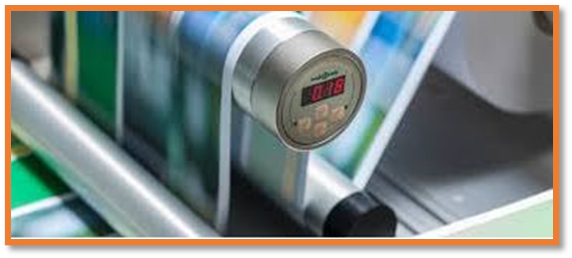
How web tension variation affects print inspection systems, lamination quality, and material properties — and what you can do about it.
Read article
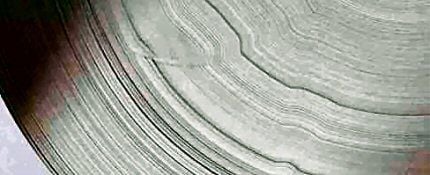
Complete guide to identifying and solving roll defects including body damage, core issues, tension bursts, and more.
Read article
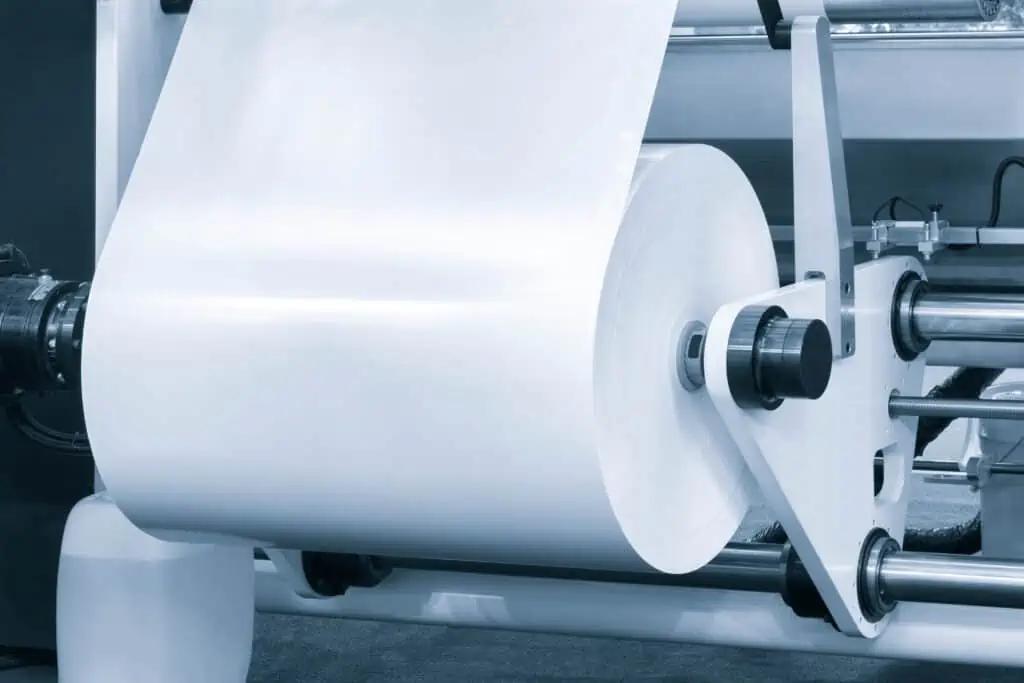
Identifying and solving common winding defects — telescoping, poor starts, baggy rolls, core issues, and more.
Read article